


Water Safety Tips for Beginners

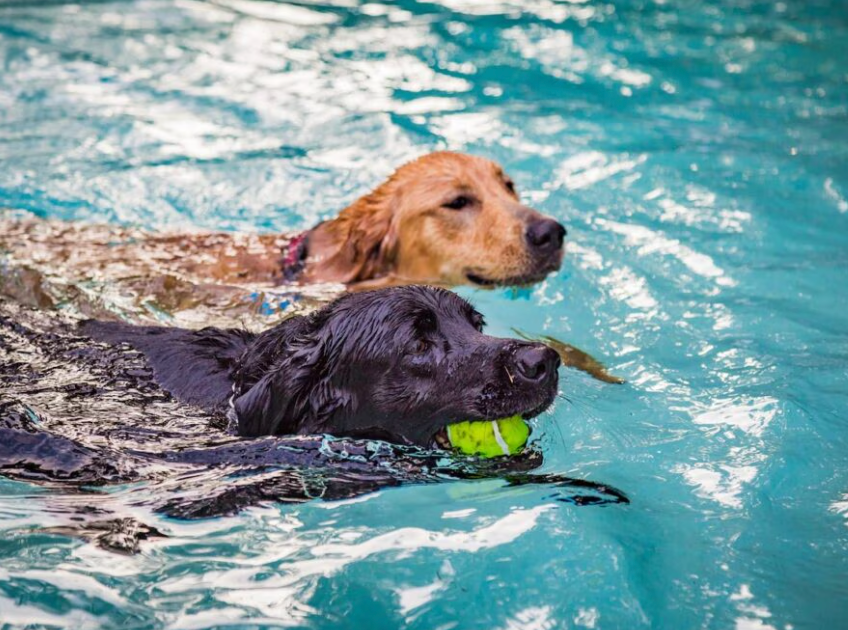
For many dogs, swimming is one of the best parts of warmer weather. Whether it’s a trip to the beach, a lake day, or a splash in the backyard pool, water activities are a great way to cool off during the hotter months. But just because dogs are natural adventurers doesn’t mean every dog is automatically a strong swimmer.
Do All Dogs Know How to Swim?
Contrary to popular belief, not all dogs instinctively know how to swim well. Some breeds are naturally more comfortable in the water, while others may struggle due to their body shape, size, or coat type.
Start Slow
If your dog has never been swimming before, introduce water gradually.
Let your dog explore shallow water first
Use treats and praise for encouragement
Stay close and calm
Keep first swim sessions short and positive
Many dogs feel more comfortable entering water alongside their owner or another confident dog.
Use a Dog Life Jacket
A properly fitted dog life jacket is one of the best safety tools for beginner swimmers. Even athletic dogs can tire quickly, especially in waves or strong currents. Life jackets are especially important for puppies, senior dogs, flat-faced breeds, and dogs swimming in open water.
Watch for Signs of Fatigue
Swimming uses different muscles than walking or running, so dogs can become exhausted faster than many owners realize. Watch for signs your dog needs a break:
Heavy panting
Slower paddling
Struggling to keep their head above water
Trying to climb on you
Glassy or tired eyes
Be Careful Around Pools
Not all dogs understand how to safely exit a swimming pool. Teaching your dog where the steps are can prevent panic if they accidentally fall in. Some dogs benefit from practicing pool exits several times before swimming independently.
Ocean and Lake Safety Matters Too
At the beach:
Watch for strong currents and waves
Avoid hot sand during peak heat
Prevent your dog from drinking saltwater
At lakes or ponds:
Watch for algae blooms
Avoid stagnant water
Check for sharp rocks or debris
Know When Your Dog Is Done
Not every dog loves swimming, and that’s okay. Some prefer wading, splashing, or simply relaxing nearby. The goal is to create positive experiences and let your dog build confidence at their own pace.
Final Thoughts
Whether your dog becomes a full-time water enthusiast or prefers to keep their paws on dry land, safety should always come first. A safe dog is a happy dog — and a tired, happy dog after a swim day is even better.


Comments