


Helping Your Dog Adjust to School-Year Routines


As backpacks get zipped and school buses start rolling, your dog might find themselves wondering, “Where did everyone go?” Whether your pup is a first-time "home-alone-er" or just needs a little refresher, here are some simple, effective ways to ease separation anxiety and help them settle into the school-year rhythm:
1. Ease Into the New Routine
Start adjusting your dog’s schedule before school starts. Gradually introduce quiet time during the day and mimic the coming routine—walks, mealtimes, and alone-time—so it’s not a sudden shock when the house empties out.
2. Create a “Goodbye” Ritual
A calm, predictable farewell (think treat, cue, and exit) helps your pup understand that alone time is safe and temporary.
3. Keep Their Mind Busy
Boredom can lead to barking, chewing, and general mischief. Try:
Puzzle toys like KONGs or treat-dispensing balls
Lick mats with peanut butter or yogurt
Frozen food-stuffed toys to stretch snack time
These activities provide mental stimulation and help your pup associate your absence with something positive.
4. Make Their Space Cozy
Designate a calm, comfy zone where your dog feels safe. Add their bed, favorite toys, and maybe a piece of clothing with your scent.
Bonus: playing soft music, white noise, or even dog-specific playlists can create a soothing environment.
5. Hire a Midday Walker or Visitor
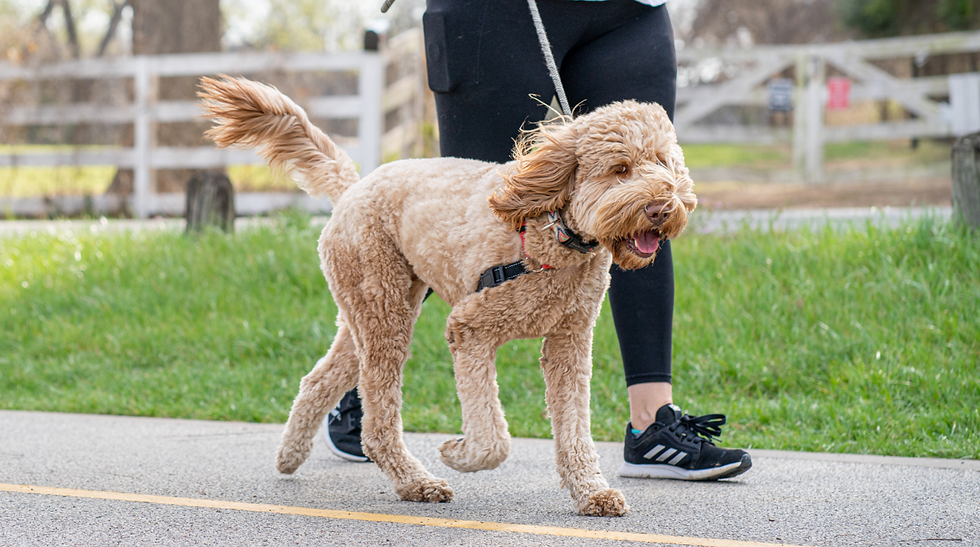
If your dog struggles with long stretches alone, a midday check-in can make all the difference. A dog walker (hello, The Wag Factor!) can provide a potty break, playtime, and some much-needed social interaction.
6. Use Tech to Stay Connected
Dog cameras let you check in (and even chat!) during the day. Some models dispense treats or let you toss a toy—all great ways to interact remotely and ease your pup’s nerves.
7. Watch for Signs of Stress
Excessive barking, pacing, house accidents, or destroyed items might mean your dog’s struggling. If symptoms persist, consider reaching out to a trainer or vet for support.
Back-to-School Doesn’t Have to Mean Back-to-Stress
With a little prep and a few thoughtful tweaks, your dog can thrive during the school-year schedule. Routine, enrichment, and a dash of love go a long way in helping them feel secure—even when the house feels a little too quiet.


Comments